

Rule one for owners: never kill hope, never ruin fans’ chance to dream. That’s what Harrison Armstrong represents to Everton fans: hope, a chance to dream. The 19-year-old midfielder is a local lad, hailing from West Derby, one of their own and fulfilling their own dreams by pulling on the famous royal blue shirt of the club they love. Rule two for owners: don’t sell cherished home-grown talent.
Evertonians gathered at the Vitality on Saturday made their anger about the proposed sale of Armstrong to Nottingham Forest for £35m very clear to their unthinking owners, The Friedkin Group (TFG). “Don’t sell Armstrong, Harrison Armstrong, I just don’t think you understand,” they sang. “If you sell Armstrong, Harrison Armstrong, you’re going to have a riot on your hands”.
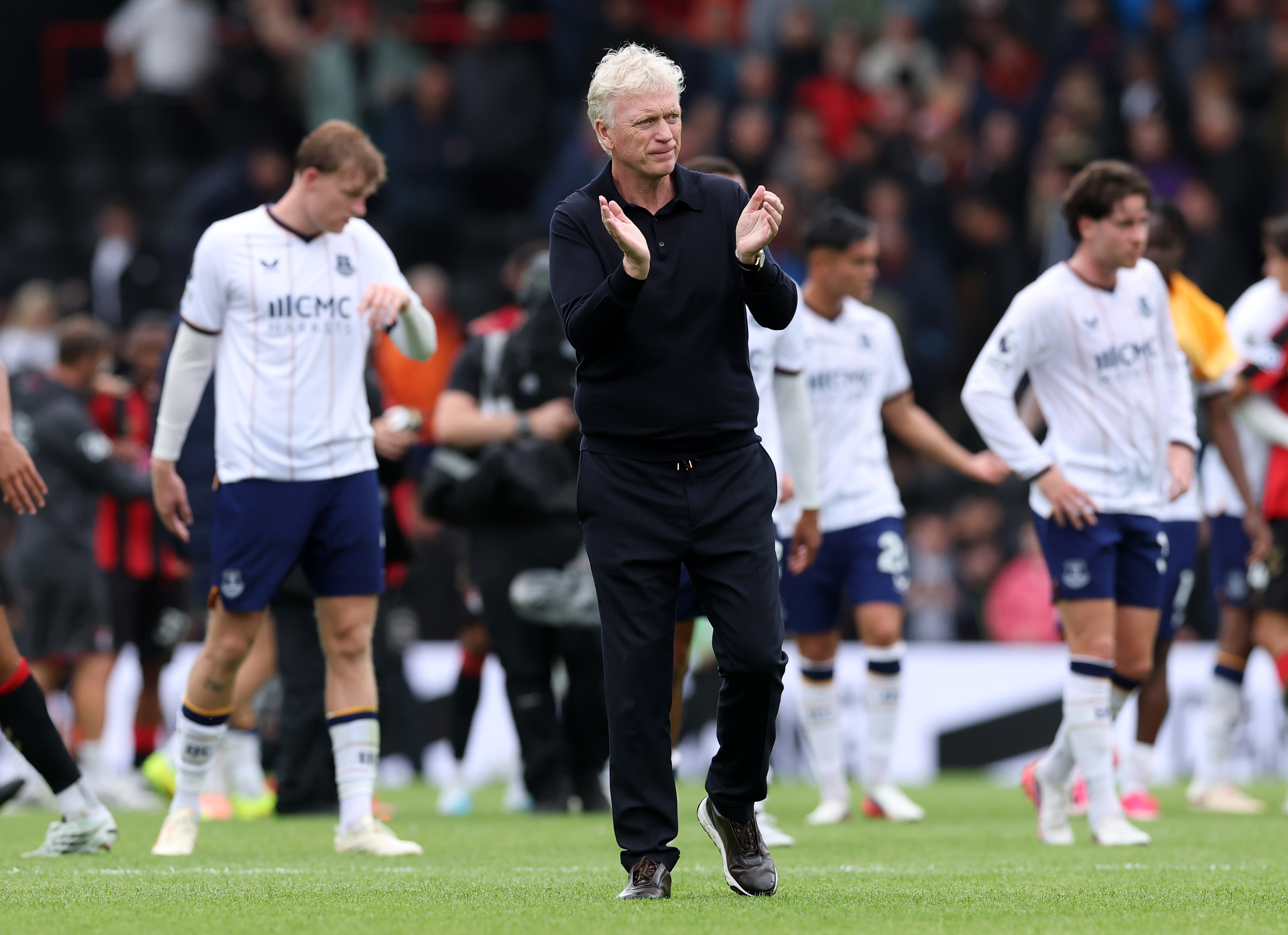
Everton’s manager, David Moyes, was clearly against the sale. TFG saw and heard the backlash, woke up to the folly of the plan, and called off the sale of a player widely considered Everton’s best home-grown talent since Wayne Rooney. Armstrong’s definitely worth keeping and fighting for.

“The potential sale of Harrison Armstrong goes against everything our fanbase stands for, a young talented Scouser who is the future of our club,” the Everton fans’ group The 1878s, said in a statement. It threatened to stop organising the flags and tifo displays that contribute so much to match-day atmosphere. TFG was toying with the very fabric of Everton life.
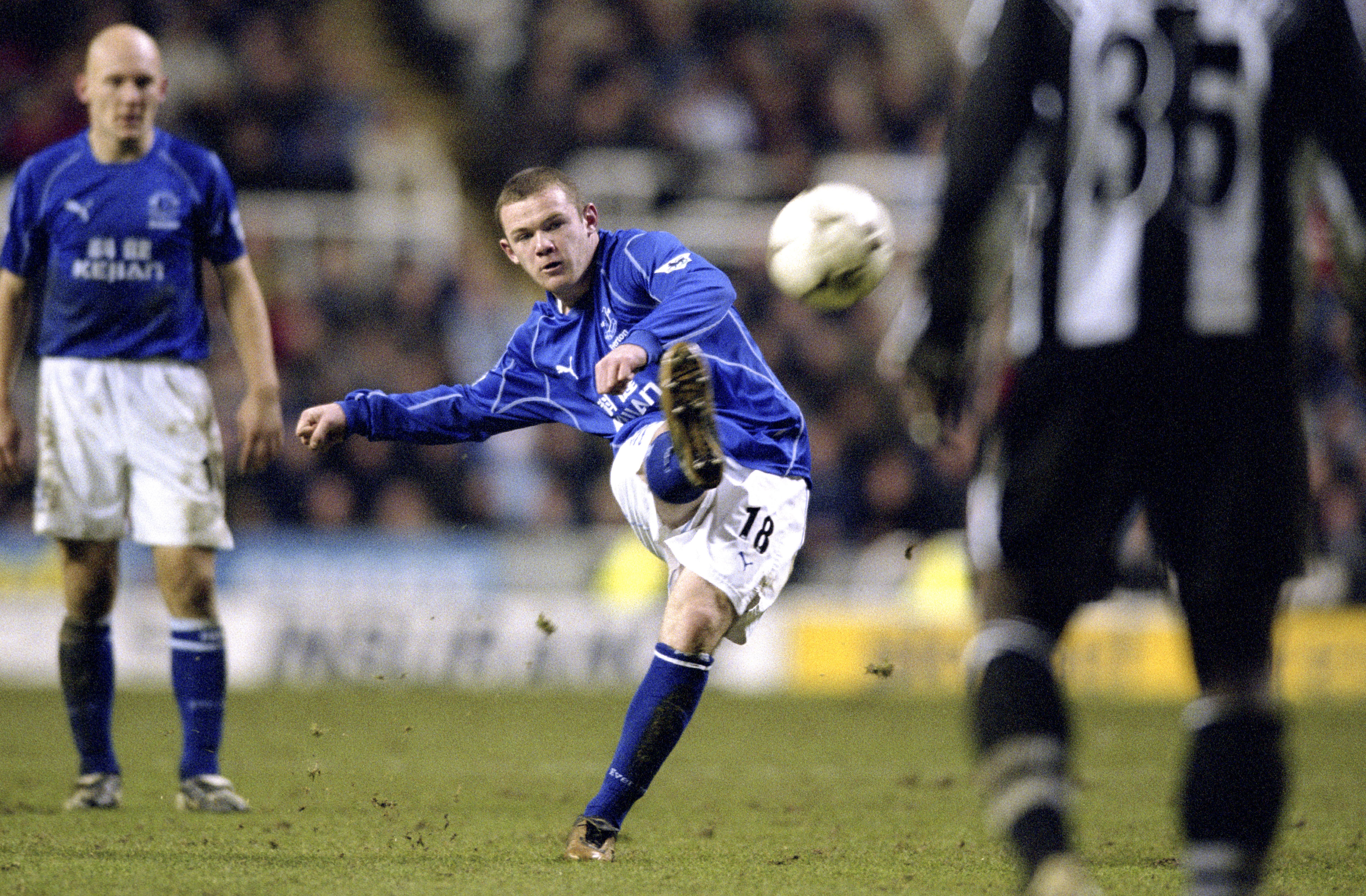
Also: what’s best for the player’s own development? Moyes looks after young players well, handling the precocious Rooney as best as possible when the bullish teenager launched himself so memorably on the scene in 2002. Moyes tries to shield such prospects in almost a paternal, certainly a pastoral, way. Moyes knows they will leave the footballing family home at some point so tries to prepare them while getting the best out of them.
Moyes showed vital support for a teenaged Ross Barkley when the teenager suffered a double break of his leg in 2010, even ensuring a new contract for a kid in a hospital bed worried about his future.
Moyes will feed Armstrong in and out of the team, not putting too much physical or mental strain on the 19-year-old. Armstrong looks like he can handle the pressure. That is partly down to the learning acquired when sent by Moyes on loan to Preston North End last season.
A broader dynamic is at work here, one that affects all supporters. Financial sustainability regulations are not fit for purpose when it comes to the development of young talent. From FFP to PSR to SCR, a rethink is required on content as well as lettering. The “pure profit” element to sales of academy starlets is so tempting to the more short-sighted owners. It was one of the reasons why a frustrated Eddie Howe was forced to sacrifice Elliot Anderson in a hurried sale to Forest. It’s why TFG considered offloading Armstrong. The player becomes an accounting item not a sporting asset.

TFG needs to balance the books at a club which has recorded alarming figures in some recent years, and been punished for it, but there are other more acceptable ways, others who could be sold. From a Premier League perspective, it would make sense if clubs were more incentivised to retain “one of our own”. One way would be to allow the first few years – perhaps 50 first-team games – of an academy graduate’s salary to be offset against SCR calculations. There would then be a financial incentive to keep home-grown talents.
Evertonians rightly take great pride that a local player has featured in every league campaign since the Football League commenced in 1888. It actually predates that. The likes of Liverpool-born goalkeeper, Charles Joliffe, played for Everton from 1885 until he was eventually replaced by Robert Smalley, a recruit from Preston.
Armstrong is more than a player to Evertonians. He’s a symbol of the area, almost an antidote to the big-monied modern game.
Connection with the community matters hugely, especially in an era where the Premier League is so heavily populated by overseas players.
Everton’s owners must have known there would be outrage. If TFG wasn’t aware, then it needs better advisors – or better channels of communication with fans. This is one of the most concerning elements of the whole story: TFG’s lack of understanding in the first place. It’s almost arrogance. Everton Football Club are more than a business; they are a footballing institution, a community asset, a developer of local talent and a beacon of hope. The Armstrong story highlighted that. Owners take note.