When Thomas Hitzlsperger grew up in Bavaria in the 1980s, football was everywhere and there was little discussion of sexuality.
It was only after he had left his hometown and embarked on his career that he began to understand how his own sexuality fit into the world around him.
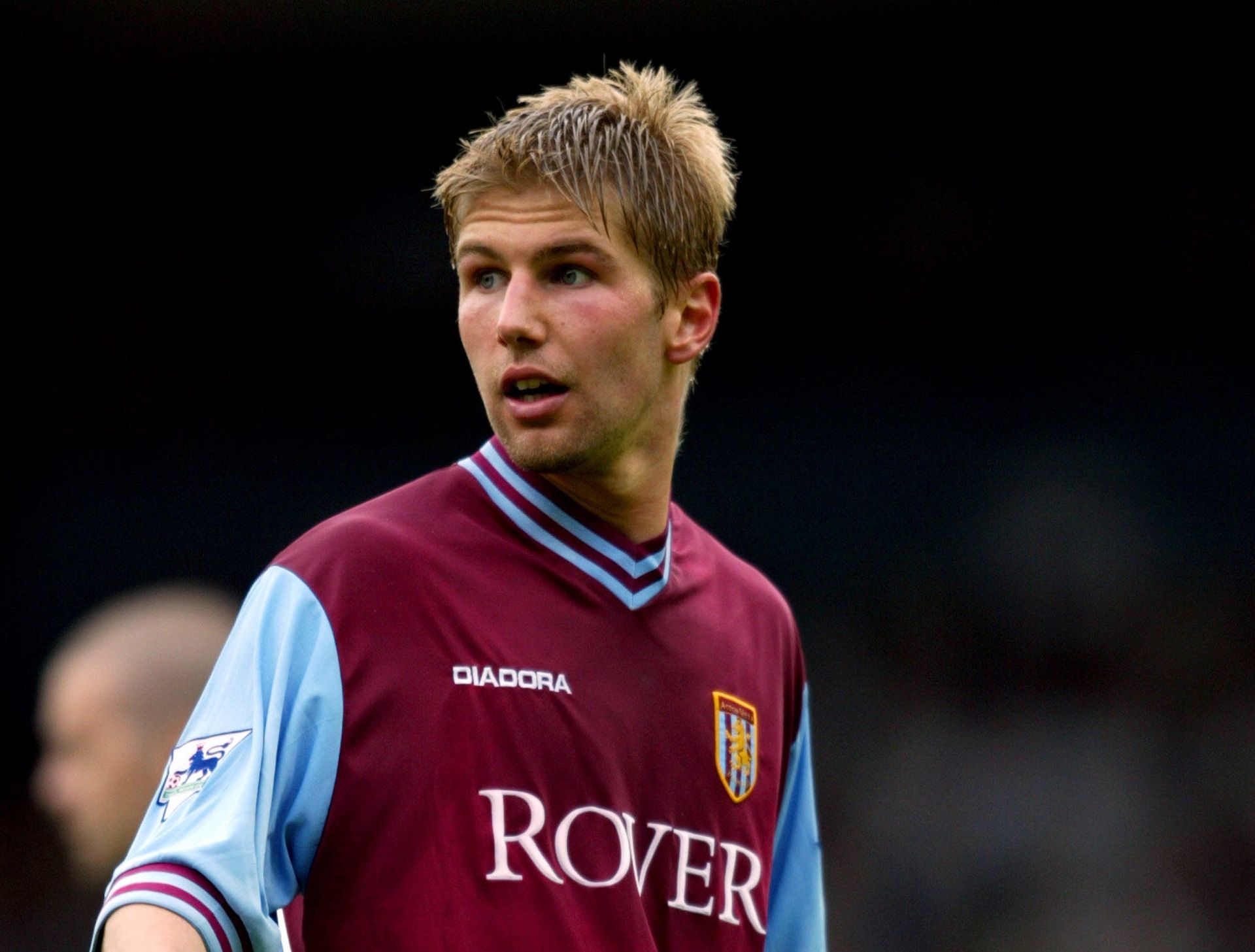
Hitzlsperger moved to Aston Villa was an 18-year-old in 2000 and initially found that his experience of moving to England as a German was more about Second World War stereotypes, with his later reflections leading him to consider the tragic story of Justin Fashanu.
Hitzlesperger on moving from Bavaria to Villa
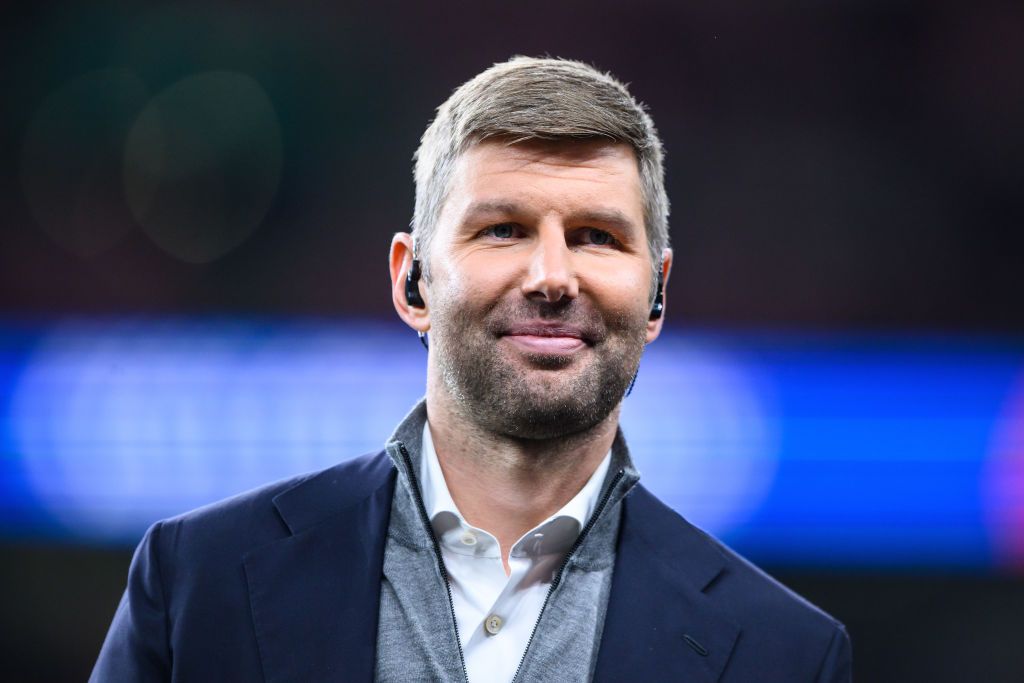
“Growing up in the small community of Forstinning in Bavaria, I wouldn’t say homosexuality was abnormal, but in the 1980s, there was no exposure to it,” he tells FourFourTwo. “It wasn’t something that was talked about and the topic was taboo, so it wasn’t something that was on my mind back then.
“I’m Thomas, the youngest child of Ludwig and Anneliese Hitzlsperger. I have five brothers and a sister. As you can imagine, ours was a very busy household, with nine family members and extended relations as well, but I wouldn’t have had it any other way. I experienced a sense of community from early on. It was about family, farm life and good values.
“My parents were very supportive and it was a wonderful childhood growing up on the farm. Without the support of my family, I wouldn’t have made it in football. My parents took me to training twice a week in the beginning, then more later on.”
The young Hitzlsperger soon got his big opportunity, with his determination to succeed fueled by the footballing culture within his own family.
“I started playing for Bayern Munich at the age of seven and the dream was immediately to become a professional footballer. When you work hard in life, the success will be there if you keep pushing. My father played football before he had to quit due to injury and my five older brothers all loved the game. They always had a ball at their feet and still remain passionate about football now.
“After coming home from training with the team, I’d usually have at least one brother to kick the ball around with. As I moved into my teenage years, it was all about football – there was nothing that stopped me or distracted my focus.”
The question of his sexuality would only emerge later. “Back then, Bavaria was not the only place on Earth that was conservative,” he adds. “Only later, when it became apparent to me that I was gay, I thought ‘OK, how do I deal with this, because people around me have just not been exposed to it?’”
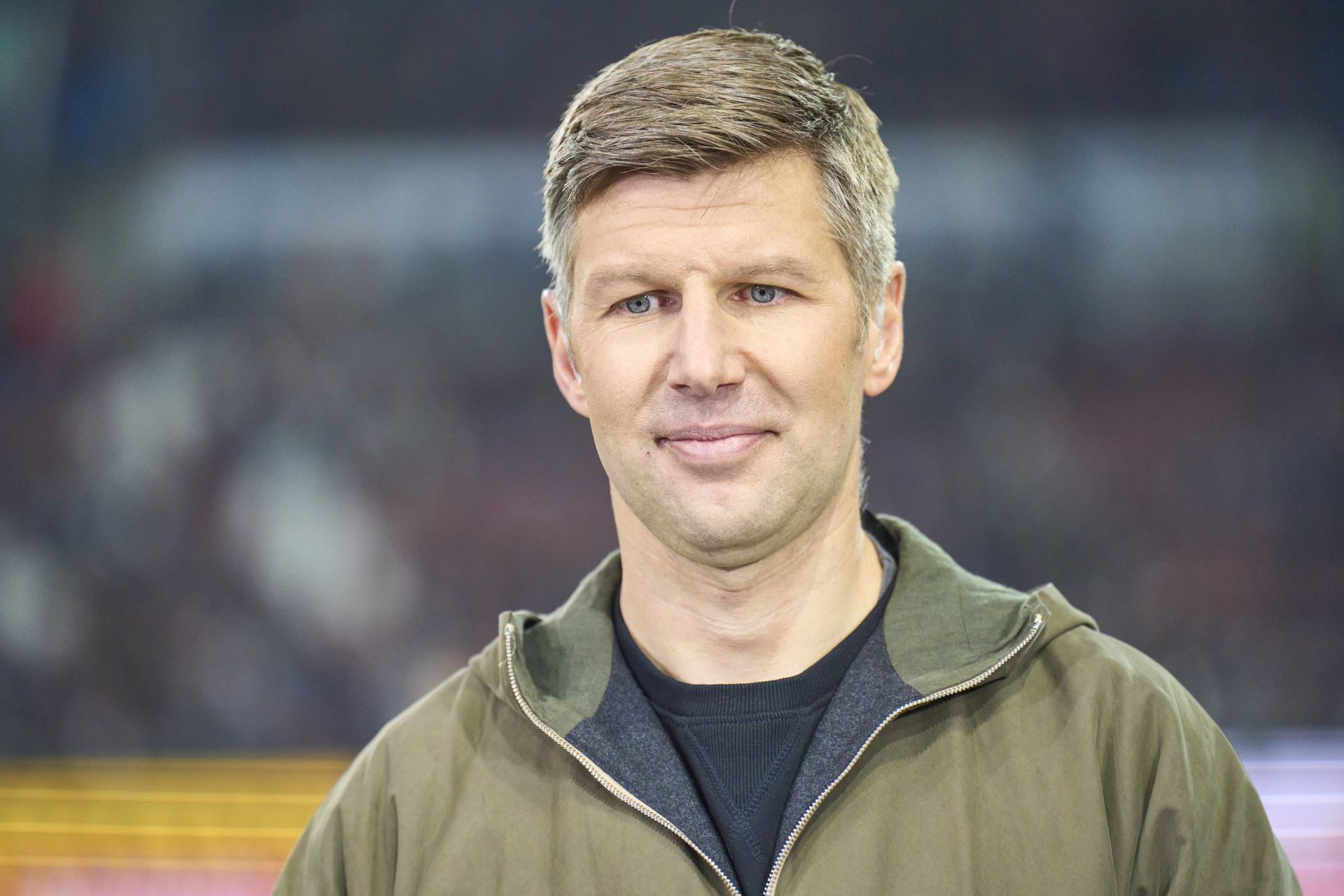
“In 2000, as an 18-year-old, I left my family in Germany and moved to the UK. I’d been released by Bayern Munich and wanted a new situation. I spent five years in Birmingham with Aston Villa, and homophobia wasn’t something that crossed my mind there. It wasn’t a debate I had with people and I didn’t observe anything where I thought ‘This is so terrible’.
“Later, that started for me when I left Stuttgart in 2010 and was in Rome playing for Lazio. In my own life, it was so apparent I was gay that I started looking around and observing my environment. But at Aston Villa, it was more about the stereotype of being a German in England and the silly war rhetoric. Being confronted with stereotypes, that started the thinking process for me.
“A decade before I arrived in the UK, Justin Fashanu became the first professional footballer to come out. I was only eight years old at the time, so I didn’t have any awareness of it back then, but later on in my life, I picked up the story. His tale was very tragic and one can only imagine the pain he had to go through – it was awful that he felt he had to reveal he was gay, because he thought the media were about to out him. It all ended so tragically, with him taking his own life.”
Football v Homophobia is a year-round initiative tackling anti-LGBTQ+ discrimination, building inclusive communities at all levels of the game around the world. For more info and support, visit footballvhomophobia.com